
Commercial Collection Agency St. Louis
CCFG helps companies across the St. Louis metro recover delinquent B2B receivables and safeguard mechanic’s lien rights. Start a claim or call 800-848-4176 for commercial debt collection support today.
Recovered to Date
Client Retention Rate
Years in Construction Credit
States Served Nationwide
Overview
Construction & Commercial Collection Agency in St. Louis, MO
Unpaid invoices strain cash flow, tying up money needed for concrete, steel, rentals, and payroll while accounts drag on for months. When statements and follow-ups no longer move the balance, an evidence-driven strategy—built on contracts, purchase orders, delivery tickets, and statutory remedies—helps turn receivables into recoveries.
CCFG supports businesses in the St. Louis area with B2B collections, construction lien and bond claim guidance, and targeted investigations. Construction Credit & Finance Group works with building material distributors, rebar and lumber yards, heavy equipment dealers, subcontractors, general contractors, and commercial service providers—focusing on construction payment risks and trade credit.
Start a Claim through our commercial claim submission page, or call 800-848-4176 to discuss your unpaid accounts.
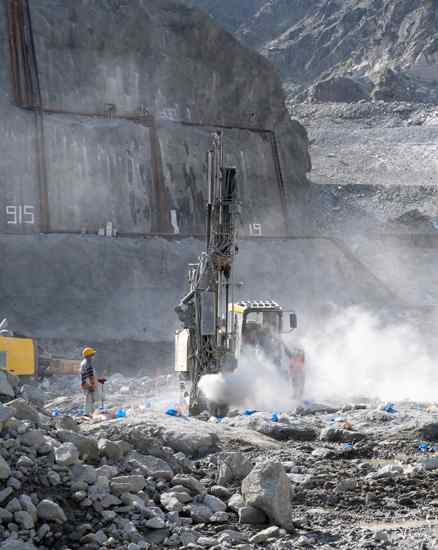

Supporting St. Louis's Construction and Industrial Market
St. Louis industrial base stretches from the Riverfront and North City’s manufacturing corridors to logistics hubs along I-70, I-64/US-40, I-55, and I-44. Freight moves through America’s Central Port, the Merchants Bridge and MacArthur Bridge rail crossings, and distribution clusters near Hazelwood, Earth City, and along Page Avenue and Route 370—fueling warehouse builds, plant upgrades, and commercial improvements.
North County’s industrial parks near Lambert International Airport and the Hazelwood Logistics Center serve air cargo and regional trucking, while South County facilities near Lindbergh Boulevard and the I-55 corridor connect to river terminals in the Carondelet and Patch areas. In the central corridor, projects in Midtown near the Cortex Innovation District and along the Central West End draw steady tenant improvements and specialty trades.
CCFG serves Missouri companies through nationwide commercial collection services. Businesses with accounts tied to the city, St. Louis County, St. Charles County, Jefferson County, Franklin County, and surrounding areas—or projects in other states—can contact us to review options. Service availability does not indicate a physical CCFG office in every locality.
Location determines the rules. Missouri lien and bond requirements differ from those across the river in Illinois. Confirm the jobsite address—whether 63102 downtown, 63114 near the airport, or 62220 in Belleville—before selecting the correct payment protections.
Who We Help in the St. Louis Area
CCFG concentrates exclusively on B2B debt recovery, with deep experience in construction credit, trade accounts, and complex commercial receivables tied to projects across the region.
We regularly assist companies operating near the Gateway Arch, along I-64 and I-70, and throughout neighborhoods like Soulard, The Hill, and Central West End with:

Building material suppliers seeking to recover balances from job sites near Brentwood Boulevard, along Page Avenue, and in warehouse districts by the riverfront.
Heavy equipment dealers resolving overdue trade accounts tied to projects in North County, around the I-170 corridor, and near major hubs like the 63132 and 63114 zip codes.
Rental yards pursuing qualified equipment rental receivables from contractors working around Forest Park, Midtown, and industrial parks off Route 367.
Subcontractors and specialty trades documenting lien rights and securing payment for completed work on commercial sites near Downtown West, Lafayette Square, and along Gravois Avenue.
Other commercial enterprises managing delinquent customer accounts throughout the metro, including businesses near Clayton, Maplewood, and the Riverfront Trail.
No two receivables are alike. A financed equipment delivery to an industrial shop near the Riverfront, a monthly supply tab for a restaurant off South Grand, and a subcontract on a renovation by Delmar Boulevard can each require different paperwork and approaches. CCFG reviews the contract terms, proof of delivery, change orders, and the flow of funds for each debtor rather than applying a single playbook to every open invoice.


Missouri Lien Snapshot: Notices and Deadlines
Missouri mechanics lien rules separate the obligations of original contractors, subcontractors, material suppliers, and those renting tools or equipment. Each role faces distinct notice steps, filing windows, and enforcement requirements.
This overview highlights frequent private-project issues across the state. Different rules can apply to owner-occupied residential work, public improvements, claimant standing, and other fact patterns that require individualized review.
Original Contractor’s Notice to Owner
Prime contractors typically must deliver the statutory Notice to Owner before receiving payment. The disclosure may be provided with the signed agreement, at mobilization, at first delivery, or with the initial billing, as authorized by statute.
The notice advises owners that lower-tier parties may assert mechanics liens if unpaid. Following the disclosure requirement is commonly tied to preserving the prime contractor’s lien rights, subject to limited exceptions created by law.
Subcontractor and Supplier Notice: At Least 10 Days Before Filing
Claimants who are not the original contractor generally must send a written notice to the owner or authorized representative at least 10 days before recording the lien.
The notice should include the amount sought and identify the party responsible for the debt. Missouri law outlines how and when service must occur, along with proof-of-service expectations. Routine statements or dunning emails may not fulfill this notice obligation.
Lien Filing: Generally Six Months, With a Rental Exception
Most eligible claimants must record their verified lien account within six months after the debt accrues. File with the circuit clerk for the county where the property is located, listing the net amount after credits and describing the improvement.
Accrual is a legal concept and may not match the invoice due date. Review the work performed, contract timeline, and furnishing records to determine the correct date.
For rented machinery or equipment, a shorter deadline often applies: 60 days from the date the last item was removed from the site. Rental operations should calendar these matters immediately.
Enforcement: Six Months After Filing
A lawsuit to enforce the lien must usually commence within six months after the lien is filed. If suit is not timely started, the lien will lapse.
This enforcement period is separate from and in addition to the original filing deadline.
Consult the Missouri lien-filing requirements, 10-day notice requirements, and enforcement deadline. This summary is informational and not legal advice or a calculation for any specific claim.
Commercial Collection Services for St. Louis Businesses
Commercial and Construction Debt Collection
CCFG’s commercial debt collection services blend professional outreach, skip tracing, and account-specific strategy for companies operating from Downtown West to the Page Avenue corridor.
Our construction debt collection services analyze contract documents, lien-waiver history, tiered payment relationships, and likely recovery sources. Plans are tailored to the file, whether the project sits near Forest Park, along I-64/US-40, or in the 63110 and 63103 zip codes. Outcomes are never guaranteed.
Lien Notices and Filings
Through lien notices and filing services, CCFG’s LienGuard helps contractors and suppliers prepare preliminary notices, record mechanics liens, and manage deadlines for private work from The Hill to Carondelet, subject to statutory qualifications.
Asset Research and Investigations
Asset investigations provide insight into business assets, liabilities, and potential recovery paths—useful when a debtor operates near major corridors like I-270 or across the Mississippi River. Findings inform strategy; availability of assets is not assured.
Credit Department Consulting
Credit department consulting supports better front-end risk control by refining applications, terms, documentation, and receivables workflows for distributors, fabricators, and service firms throughout the region.
Collection Software and Training
CCFG offers debt collection software to organize accounts and streamline follow-up. Our seminar speaking services deliver practical training on construction credit, collection law, and receivables best practices.
Prepare Your Past-Due Account for Review
Thorough account records make it easier to confirm what was furnished, who is responsible for payment, and whether a dispute needs escalation. For construction-related receivables in neighborhoods like Soulard, The Hill, or around the Central West End, clarity on project roles and payment paperwork is especially important.
Collect the following when you can:
- Completed credit applications, signed contracts, and approved purchase orders.
- Open invoices, monthly statements, and a detailed payment ledger.
- Proof of delivery, rental contracts, and dates equipment was picked up or removed.
- Jobsite addresses with owner, GC, and subcontractor contacts.
- Preliminary notices, lien filings, waivers, and payment-related emails or letters.
Note any approaching statutory dates when you submit your file—particularly for projects near major corridors like I-64, I-70, or along Page Avenue. Collection efforts never replace Missouri’s notice, filing, or enforcement deadlines.
St. Louis Commercial Collection FAQs
How long do I have to file a construction lien in Missouri?
In many situations, a claimant must record within six months after the debt accrues. Separate timing applies to rental-equipment claims, which often carry a 60-day window measured from the removal of the last item or machine. Be aware that earlier notices may be required before recording.
Do Missouri suppliers need a notice before filing?
Often, yes. Parties other than the original contractor generally must provide the owner or authorized agent with at least 10 days’ advance notice. The content, service method, and proof of delivery can affect enforceability.
Do Kansas and Missouri projects follow the same lien rules?
No. These Missouri guidelines apply to projects located in this state, from jobs around Forest Park to work near the Gateway Arch grounds. A company handling work across the river or state line should evaluate the rules specific to that project’s jurisdiction.
Can CCFG help when my customer blames an upstream payment delay?
CCFG reviews the underlying obligation, documents, and the construction payment chain to assess leverage and options. While upstream issues provide context, viable recovery depends on the contract terms, notices, and applicable statutes.
Does CCFG handle accounts outside the city limits?
Yes. CCFG provides nationwide commercial collection services, including Missouri accounts across the metro—whether the customer is in zip codes such as 63103, 63110, or 63129—or in other states.
Move Your St. Louis Receivables Toward Resolution
When reminders and statements stop moving the balance, a targeted strategy can help. CCFG partners with commercial creditors to analyze delinquent accounts, uncover viable recovery paths, and manage construction payment issues using solid documentation and industry-specific tools.
Start a Claim or call 800-848-4176 to discuss your local commercial receivables across the region, from downtown near Busch Stadium to businesses along Manchester Road.