
Commercial Collection Agency New York City, NY
CCFG helps NYC businesses recover past-due accounts and protect construction lien rights. Start a claim or call 800-848-4176 for commercial debt collection today.
Recovered to Date
Client Retention Rate
Years in Construction Credit
States Served Nationwide
Overview
Construction & Commercial Collection Agency in New York City, NY
Unpaid invoices can leave your business financing materials, equipment, and labor long after payment should have arrived. When repeated reminders stop producing progress, your receivables need an approach grounded in documentation, the customer’s obligation, and available recovery options.
CCFG helps New York City businesses pursue past-due accounts through commercial collections, construction lien support, and investigative resources. Construction Credit & Finance Group serves building material suppliers, heavy equipment dealers, contractors, and other commercial businesses with services designed around construction payment issues and business credit.
Start a Claim through our commercial claim submission page, or call 800-848-4176 to discuss your unpaid accounts.
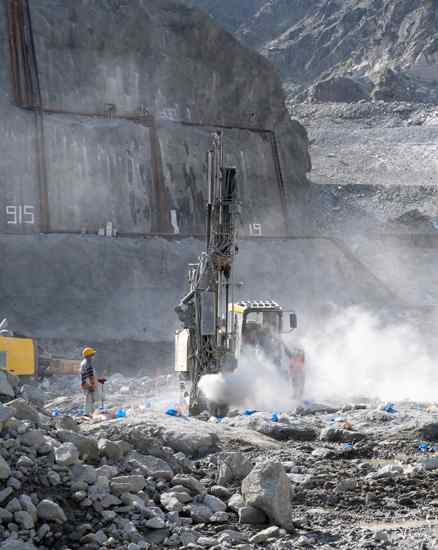
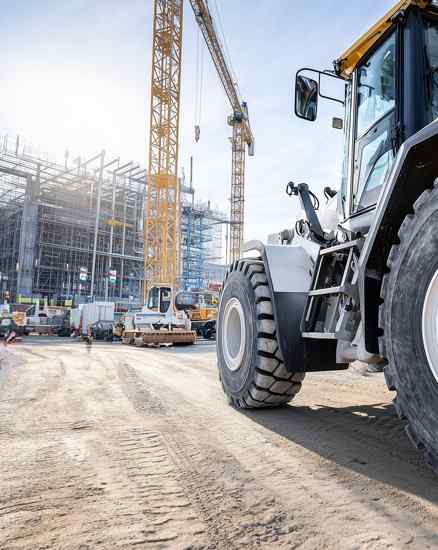
Supporting New York City’s Construction and Industrial Market
New York City’s construction supply chain extends beyond Manhattan jobsites. Industrial districts in Maspeth, Long Island City, Hunts Point, and Sunset Park support manufacturing, distribution, building materials, and construction-related businesses. City-supported industrial assets include Brooklyn Army Terminal, Bush Terminal, Brooklyn Navy Yard, and Hunts Point facilities.
For businesses supporting commercial renovations, industrial improvements, and building construction, account management can involve several locations and contractual layers. Your customer’s office, delivery destination, project owner, and payment decision-maker may all be different.
CCFG serves New York businesses through its nationwide commercial collection services. Accounts can involve any of the five boroughs: Manhattan, Brooklyn, Queens, the Bronx, and Staten Island—corresponding to New York, Kings, Queens, Bronx, and Richmond counties. Service coverage does not imply a physical CCFG office in each market.
The property’s location matters when evaluating lien rights. A New York customer’s involvement does not make New York lien law applicable to a New Jersey or Connecticut project.
Who We Help in New York City
CCFG focuses on business-to-business receivables, particularly accounts connected to construction and commercial credit operations.
Our services support:

Building material suppliers pursuing unpaid deliveries and contractor balances.
Heavy equipment dealers addressing overdue commercial accounts.
Rental yards seeking assistance with qualifying equipment rental receivables.
Subcontractors and specialty trades pursuing payment for documented work.
Other commercial businesses managing delinquent customer accounts.
Each transaction requires its own review. An equipment sale, recurring supply balance, and project-specific subcontract may involve different documentation and recovery options. CCFG considers the underlying obligation, supporting records, and payment chain rather than treating every overdue invoice identically.


New York Lien Snapshot: Filing and Service Deadlines
New York mechanics lien requirements involve filing, service, proof of service, and separate enforcement obligations. These are distinct steps, and the invoice due date does not determine every deadline.
The following snapshot addresses common private improvement lien requirements. Public improvements, claimant eligibility, retainage, and other circumstances require separate analysis.
Notice of Lien: Generally Within Eight Months
For a typical private commercial improvement, a qualifying claimant may file a Notice of Lien during the work or within eight months after contract completion, final work, or final material furnishing, measured from the applicable last item.
File with the county clerk where the property is located. If the property spans multiple counties, filing is required in each relevant county. In New York City, identify the correct county rather than relying only on a mailing address.
Single-Family and Retainage Rules Differ
For qualifying single-family dwelling improvements, the filing period generally is four months rather than eight. The statute includes a developer-owned subdivision exception to its single-family classification.
For a lien specifically claiming retainage, Section 10 provides a filing period of 90 days after the retainage was due to be released. These distinctions require claim-specific review.
Serve the Owner and File Proof
A copy of the Notice of Lien must be served on the owner within five days before filing or 30 days afterward, using an authorized method.
Proof of service must be filed with the county clerk within 35 days after filing the lien notice. Failure to file that proof within the statutory period terminates the notice as a lien.
Enforcement or Extension: Generally Within One Year
A private improvement lien generally lasts one year after filing unless the claimant timely begins foreclosure and files the required notice of pendency, or properly extends the lien.
Extension procedures differ for single-family dwellings, and additional statutory conditions apply. Do not assume payment negotiations automatically preserve an expiring lien.
Review the full New York mechanics lien provisions. This overview is general information, not legal advice or a claim-specific deadline calculation.
Commercial Collection Services for New York City Businesses
Commercial and Construction Debt Collection
CCFG’s commercial debt collection services combine professional collection efforts, debtor research, and account evaluation.
Our construction debt collection services consider project documentation, payment-chain relationships, and potential recovery resources. The appropriate strategy depends on the account’s circumstances; recovery is not guaranteed.
Lien Notices and Filings
Through lien notices and filing services, CCFG helps construction businesses manage payment-rights documentation through LienGuard. Services include preliminary notices, mechanics lien filings, and lien management, subject to eligibility and applicable deadlines.
Asset Research and Investigations
Asset investigations help evaluate debtor assets, financial liabilities, and potential recovery opportunities. Research supports informed decisions, but identifying assets does not guarantee they are available to satisfy an unpaid balance.
Credit Department Consulting
Credit department consulting helps businesses evaluate credit applications, payment terms, documentation, and receivables procedures. These services complement the work of credit managers, controllers, and finance teams.
Collection Software and Training
CCFG offers debt collection software to support account organization and collection workflows. Our seminar speaking services provide education on construction credit, collections, and receivables management.
Prepare Your Past-Due Account for Review
A clear account file helps establish what your business provided, who owes the balance, and whether a dispute requires attention. Construction collection reviews also benefit from identifying project participants and relevant payment documentation.
Gather available:
- Credit applications, contracts, and purchase orders.
- Unpaid invoices, statements, and payment histories.
- Delivery tickets, rental agreements, and work records.
- Project addresses and known owner or contractor information.
- Retainage records, lien documents, and payment correspondence.
Identify approaching deadlines when submitting your account. Collection discussions do not replace New York’s filing, service, or enforcement requirements.
New York City Commercial Collection FAQs
How long do I have to file a commercial mechanics lien in New York?
For a typical qualifying private commercial improvement, the period generally is eight months after the applicable completion, final work, or final material furnishing. Single-family dwelling and retainage claims have different rules. Filing is only one part of compliance.
Where do I file a lien for a Brooklyn project?
File with the clerk of Kings County when the affected property is in Brooklyn. New York law requires filing in the county where the property is situated; property spanning counties requires filing in each relevant county.
Does recording the lien finish the process?
No. The owner must receive timely service, proof of service must be filed, and the lien must be enforced or properly extended before expiration. These obligations have separate deadlines.
Can CCFG help when my customer blames an upstream payment delay?
CCFG can evaluate the customer’s obligation, supporting records, and construction payment chain. An upstream delay provides context, but available recovery options depend on the transaction and applicable requirements.
Does CCFG provide consumer credit repair?
CCFG focuses on commercial receivables, construction collections, lien management, investigations, and business credit services—not consumer credit repair or personal debt relief.
Move Your New York City Receivables Toward Resolution
When internal follow-up stops producing progress, take an account-specific approach. CCFG helps commercial businesses evaluate past-due balances, investigate recovery opportunities, and address construction payment issues using relevant documentation and industry-focused services.
Start a Claim or call 800-848-4176 to discuss your New York City commercial receivables.