
Commercial Collection Agency Eugene, OR
CCFG helps Eugene companies recover overdue B2B invoices and safeguard construction payment rights. Start a claim or call 800-848-4176 for commercial debt collection services today.
Recovered to Date
Client Retention Rate
Years in Construction Credit
States Served Nationwide
Overview
Construction & Commercial Collection Agency in Eugene, OR
Unpaid invoices can strain cash flow—covering lumber, ready-mix, rental fleets, and payroll while you wait. When reminders and statements no longer move a customer to resolve balance due, a structured strategy built on documentation, contract terms, and proven recovery channels becomes essential.
CCFG supports area businesses with B2B collections, Oregon construction lien and bond claim guidance, and in-depth account investigations. Construction Credit & Finance Group serves building material suppliers, aggregate and asphalt producers, heavy equipment dealers, subcontractors, GC’s, and other commercial credit grantors facing slow-pay or no-pay situations common on job sites from River Road and Bethel-Danebo to Glenwood and the West 11th corridor.
Start a Claim through our commercial claim submission page, or call 800-848-4176 to discuss your unpaid accounts.
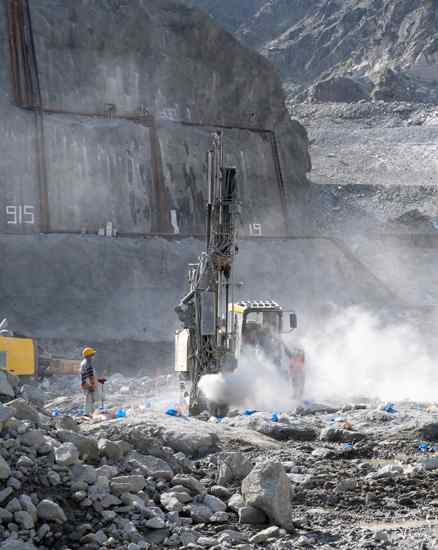

Supporting the Eugene’s Construction and Industrial Market
Eugene’s economy ties together millwork, light manufacturing, distribution, and institutional construction anchored around West 11th Avenue, Chambers Street, the Whiteaker neighborhood, and the Lane County industrial parks. Facilities near Highway 99, Roosevelt Boulevard, and the railyard north of downtown create steady demand for suppliers, equipment lessors, and specialty trades.
I-5, OR-126, and Beltline Highway (OR-569) connect job sites with regional markets from Springfield to Junction City and Cottage Grove. Mahlon Sweet Field (EUG) supports air cargo needs, while the Northwest Expressway and Green Hill Road corridors facilitate movement of steel, concrete, and building components for warehouse builds, tenant improvements, and public projects near the University District and Riverfront.
CCFG provides nationwide commercial collection services. Companies across Lane County—and neighboring markets such as Linn, Benton, and Douglas counties—can place claims tied to local customers or out-of-state projects. Service availability does not indicate a physical CCFG office in every location.
For projects across the river in Springfield or elsewhere in Oregon, verify notice and lien timelines specific to each property. If a customer’s work extends into Washington, evaluate payment rights under that state’s statutes, which differ from Oregon law.
Who We Help in Eugene
CCFG is a commercial collection agency serving companies throughout the Willamette Valley, concentrating on B2B receivables tied to construction supply, trade services, and commercial credit lines.
We help businesses in and around Eugene, from West 11th Avenue to the River Road and Whiteaker districts, by delivering tailored recovery strategies that align with Oregon lien laws and local credit practices. Our services support:

Building material suppliers recovering unpaid deliveries and open invoices for projects near Beltline Highway, downtown job sites, and surrounding zip codes like 97401 and 97402.
Heavy equipment dealers seeking resolution on past-due commercial accounts for assets deployed on I-5 corridor builds, industrial parks off Garfield Street, and regional infrastructure work.
Rental yards pursuing qualified equipment rental receivables, including proof-of-delivery and signed contracts from contractors operating across South Hills neighborhoods and near the University District.
Subcontractors and specialty trades securing payment for verified labor and materials on projects in areas like Santa Clara, Bethel, and along Coburg Road, with support for Oregon preliminary notices and lien timelines.
Other commercial businesses managing delinquent customer accounts—manufacturers, distributors, and service firms—benefiting from compliant recovery, skip tracing, and dispute resolution tailored to the local market.
No two receivables look the same. A financed equipment drop at a warehouse near W 11th Ave, a monthly supply account serving businesses off Coburg Road, and a subcontract tied to tenant improvements in the Whiteaker District each call for different records and strategies. CCFG reviews the contract terms, delivery proofs, change orders, and the path of funds—from general contractor to sub to supplier—so an unpaid invoice tied to a job by the Willamette River is not chased the same way as a recurring balance from a storefront near Valley River Center.


Oregon Lien Snapshot: Notices and Deadlines
Oregon’s construction lien framework includes front-end notices, strict recording windows, required post-filing notices, and separate enforcement timelines. Which steps apply depends on the claimant’s role, scope of work, and contract structure.
This summary focuses on common private improvement claims seen on projects from Santa Clara to West University. Residential work, public contracts, licensing issues, and other scenarios may follow different rules and should be analyzed separately.
Notice of Right to a Lien: The Eight-Working-Day Lookback
Qualifying suppliers and equipment lessors generally must serve the owner with a Notice of Right to a Lien, subject to statutory exceptions.
The notice may be delivered during the project and typically protects qualifying contributions furnished in the eight working days before the notice was sent and going forward. Weekends and certain legal holidays do not count toward that lookback period.
This is not a blanket eight-day rule for every subcontractor. Direct contracts with the owner, labor-only contributions, commercial improvements, and other conditions can change the analysis.
Claim of Lien: Generally Within 75 Days
For many labor, material, and equipment claims, the lien must be recorded within 75 days after furnishing stops—or within 75 days after project completion, whichever occurs first.
Some claimant types follow different completion-based triggers. File with the county recording officer where the improvement—such as work near Skinner Butte or along I-105—sits.
Invoice dates, partial-payment promises, or internal aging reports do not replace the statutory triggers.
Post-Filing Notice: Generally Within 20 Days
After recording, a claimant typically must mail written notice and a copy of the lien to the owner and any mortgagee within 20 days.
Missing this step can limit recovery of court costs and attorney fees in a foreclosure action. Recording alone is not the finish line.
Foreclosure: Generally Within 120 Days
A construction lien typically must be enforced by filing suit within 120 days after recording, unless the claim states a qualifying extended-payment arrangement.
At least 10 days before filing suit, send the required intent-to-foreclose notice to the owner and mortgagee to preserve fee and cost recovery rights.
Consult the full Oregon construction lien requirements. This overview is informational only and not legal advice or a deadline calculation for any specific claim.
Commercial Collection Services for Eugene Businesses
Commercial and Construction Debt Collection
CCFG’s commercial debt collection services blend professional outreach, skip tracing, and claim-specific strategy. Whether the account ties to a vendor serving the Market District or a contractor working off Franklin Boulevard, our approach is built on facts and documentation.
Our construction debt collection services evaluate pay-when-paid clauses, change directives, certified payroll, notices, and project funding to identify potential recovery paths. Strategy depends on the file’s details, and results are never guaranteed.
Lien Notices and Filings
Through lien notices and filing services, CCFG’s LienGuard helps contractors and suppliers protect rights on private improvements across Lane County. Services include preliminary notices, mechanics lien recording, and ongoing lien management, all subject to eligibility and Oregon deadlines.
Asset Research and Investigations
Asset investigations examine business ownership, real property, UCC filings, banking indicators, and litigation history to gauge recovery potential. Findings inform decisions, but identified assets may be encumbered or otherwise unavailable.
Credit Department Consulting
Credit department consulting supports smarter approvals and collections by refining credit applications, terms, job-sheet documentation, and receivables workflows—useful for teams handling accounts from Bethel-Danebo to South Hills.
Collection Software and Training
CCFG provides debt collection software to organize accounts, track activity, and manage dunning cycles. Our seminar speaking services deliver practical training on construction credit, lien rights, and collections for Oregon businesses.
Prepare Your Past-Due Account for Review
Clear documentation anchors a strong claim by showing what was supplied, who owes the balance, and whether any dispute needs resolution. For construction-related accounts around West Eugene, River Road, and the industrial corridors off Highway 99, it’s also important to identify the parties on the job and tie payments to the correct site and scope of work.
Collect the following where available:
- Executed credit applications, signed contracts, and confirmed purchase orders.
- Open invoices, account statements, and aging or payment history reports.
- Proof of delivery, rental agreements, and daily logs or work tickets.
- Jobsite addresses with owner, GC, and subcontractor contacts, plus permit or lot references near areas like Whiteaker or Bethel-Danebo.
- Preliminary notices, lien-related filings, and email or letter correspondence about payment.
Mark key statutory dates before you submit the account—especially for projects near the University District or by the I-105 and Beltline interchanges. Negotiations do not replace Oregon’s notice, recording, or enforcement rules and deadlines.
Commercial Collection FAQs for the Eugene Area
How long do I have to file a construction lien in Oregon?
For most labor, material, and equipment claims, the general deadline is 75 days from the last date you furnished or 75 days from project completion, whichever comes first. Always verify claimant-specific requirements and any earlier notice obligations that may alter the timeline for work performed near neighborhoods such as South Hills or Friendly.
Can I send a Notice of Right to a Lien after eight working days?
Often. A late notice may protect contributions furnished during the eight working days prior to delivery or mailing and for amounts provided afterward. Amounts furnished before that window may not be covered. Applicability depends on the claimant type, project details, and compliance steps taken.
Can equipment rental receivables qualify for Oregon lien protection?
Possibly. Oregon law can recognize qualifying equipment rentals used to improve real property, including work on job sites off West 11th Avenue or near the Gateway corridor. Eligibility requires a fact-specific analysis of notice timing, the equipment’s use on the improvement, and filing deadlines.
Can CCFG help when my customer blames an upstream payment delay?
Yes. CCFG reviews the contract terms, project documentation, and the payment chain to assess available remedies. While an upstream delay offers context, options depend on the specific transaction and compliance with Oregon’s requirements.
Does CCFG handle accounts outside the Eugene?
Yes. CCFG delivers nationwide commercial collection services. Companies near the LTD EmX corridor, downtown, or in nearby Springfield can pursue receivables tied to projects and customers in other Oregon counties or across state lines.
Move Your Eugene Receivables Toward Resolution
When internal efforts stall, targeted action can make the difference. CCFG helps commercial creditors analyze delinquent accounts, surface recovery avenues, and navigate construction payment issues using accurate records and industry-informed strategies.
Start a Claim or call 800-848-4176 to discuss your local commercial receivables, whether the work was near the University of Oregon campus, along Coburg Road, or throughout the surrounding communities.