
Commercial Collection Agency Buffalo, NY
CCFG helps companies in Buffalo recover delinquent commercial accounts and safeguard construction lien rights. Start a claim or call 800-848-4176 for commercial debt collection today.
Recovered to Date
Client Retention Rate
Years in Construction Credit
States Served Nationwide
Overview
Commercial Collection Agency in Buffalo, NY
Carrying unpaid invoices ties up cash needed for materials, rentals, and crews. If follow-ups and friendly nudges aren’t moving the balance, you need a strategy built on solid records, contract terms, and lawful recovery paths that work in New York.
CCFG assists businesses across the city and nearby communities with commercial collections, mechanics lien guidance, and investigative tools. Construction Credit & Finance Group supports building material suppliers, equipment dealers, subcontractors, general contractors, distributors, and other B2B companies facing construction payment challenges and credit risk.
Start a Claim through our commercial claim submission page, or call 800-848-4176 to discuss your unpaid accounts.
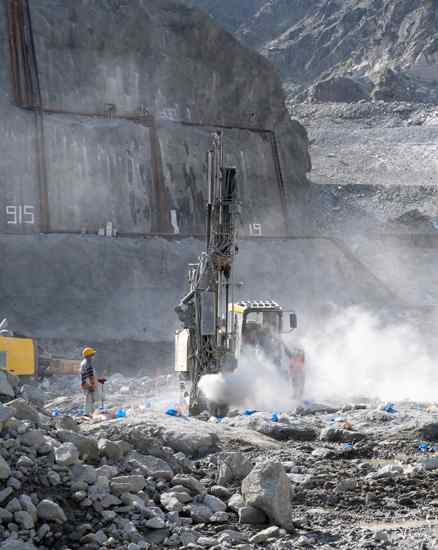
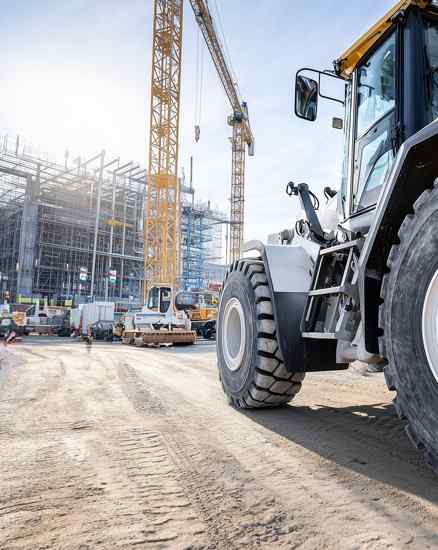
Supporting Buffalo’s Construction and Industrial Economy
From projects around Canalside and the medical campus on High Street to warehouse corridors along South Park Avenue and Ohio Street, the Buffalo construction supply chain spans multiple neighborhoods. Industrial and logistics activity in areas such as Lackawanna near the former Bethlehem Steel site, the Cheektowaga-Airport corridor by Walden Avenue, and Northland Avenue’s redevelopment zone feed manufacturing, distribution, and building trades across the region. Notable assets include the Northland Workforce Training Center, the Tesla facility at Riverbend, and operations clustered near I-190 and the Peace Bridge.
When you’re supplying renovations in Elmwood Village, facility upgrades in Tonawanda, or mixed-use work near Hertel Avenue, account management often stretches across multiple job addresses and layered contracts. A credit application might list one office, deliveries another, while the project owner and the pay approver sit in different locations entirely.
CCFG serves New York businesses through nationwide commercial collection services. We handle accounts tied to the city core, the Southtowns and Northtowns, and adjacent markets throughout Western New York. Service coverage does not imply a physical CCFG office in each locality.
Project location governs which state’s lien laws apply. A customer based in New York does not make New York lien statutes control work performed across the border in Pennsylvania or on a jobsite in Ontario.
Who We Help in the Buffalo Area
CCFG specializes in B2B collections with deep experience in construction credit, trade accounts, and complex commercial receivables across Western New York—from projects near the Peace Bridge and Canalside to industrial corridors off I-190.
We effectively assist:

Suppliers of lumber, concrete, steel, roofing, and finish goods seeking recovery on delivered materials and open contractor balances tied to jobs in areas like Elmwood Village, North Buffalo, and the Larkin District.
Dealers of excavators, lifts, and commercial machinery working to resolve aged invoices and fleet finance deficiencies on accounts servicing projects near the Kensington Expressway, South Park, and along Route 5.
Equipment rental operations needing support to validate and collect on qualified rental receivables for sites around the waterfront, Black Rock, and large builds near the Outer Harbor.
Subcontractors and skilled trades—electrical, HVAC, plumbing, glazing, paving, and more—seeking timely payment for documented labor, certified payroll, and lien-supported work on jobs spanning Allentown to East Side ZIPs like 14204 and 14212.
Commercial enterprises across manufacturing, logistics, and professional services aiming to recover delinquent B2B accounts from customers throughout Erie County and nearby corridors to Niagara and the I-90.
No two receivables follow the same path. A financed equipment purchase along Walden Avenue, a replenishing parts account serving operations near the Peace Bridge, and a subcontract tied to work off the Kensington Expressway each call for tailored documentation review and a different recovery plan. CCFG evaluates the contract terms, job records, and how funds moved through the payment chain—rather than forcing every past-due invoice into a single approach.


New York Lien Snapshot: Filing and Service Deadlines
New York mechanics lien rules require separate steps for filing, service on required parties, establishing proof of service, and timely enforcement. These timelines are statutory and do not track the invoice due date.
This high-level summary addresses common private improvement scenarios. Public jobs, claimant classes, retainage, condominium projects, and other fact patterns—such as work near Allentown or the Delaware District—must be reviewed independently.
Notice of Lien: Generally Within Eight Months
For most private commercial improvements, a qualified claimant may record a Notice of Lien during performance or within eight months after completion of its contract, last labor, or last material delivery, measured from the final furnishing.
Record with the clerk of the county where the property lies. If a project crosses county lines along the Niagara Frontier, filing is needed in each county that contains the improved property. In New York City, selecting the correct county is critical and cannot be based solely on a mailing address.
Single-Family and Retainage Rules Differ
For qualifying single-family dwelling work, the filing window is generally four months. The statute contains exceptions, including certain developer-owned subdivision circumstances.
When a lien is asserted solely for retainage, Section 10 permits filing within 90 days after the retainage should have been released. These differences are fact-driven and require individualized review.
Serve the Owner and File Proof
A copy of the Notice of Lien must be served on the owner within the five days preceding filing or within 30 days after filing, using an approved method.
Proof of service must then be filed with the county clerk within 35 days after recording the lien. Missing this deadline terminates the notice as a lien.
Enforcement or Extension: Generally Within One Year
A lien on a private improvement typically expires one year after filing unless the lienor starts foreclosure in time and files a notice of pendency, or properly extends the lien as permitted by statute.
Extension mechanics vary for single-family dwellings, and additional statutory requirements can apply. Do not rely on settlement talks to preserve an expiring lien.
Consult the full New York mechanics lien provisions. This is general information, not legal advice or a deadline calculation for any specific claim in the region.
Commercial Collection Services for Businesses in Buffalo
Commercial and Construction Debt Collection
CCFG’s commercial debt collection services unite professional collection workflows, account-level analysis, and debtor research—useful whether your customers operate near the Medical Campus, along Elmwood Avenue, or in business parks by the I-90.
Our construction debt collection services focus on contract exhibits, pay-application histories, change orders, and the upstream/downstream payment chain. Strategy is driven by project facts and available leverage; results cannot be guaranteed.
Lien Notices and Filings
Through lien notices and filing services, CCFG helps contractors, suppliers, and specialty trades manage payment-rights paperwork using LienGuard. Services include preliminary notices, mechanics lien filings, and ongoing lien monitoring, subject to eligibility and New York deadlines that can differ across counties such as Erie and Niagara.
Asset Research and Investigations
Asset investigations assess business assets, encumbrances, affiliations, and potential recovery avenues—from entities registered in New York to operations tied to industrial corridors near South Park Avenue. Findings inform strategy, but identified assets may not be collectible.
Credit Department Consulting
Credit department consulting supports stronger front-end controls: application vetting, trade term design, personal and corporate guaranty language, documentation standards, and receivables procedures—useful for companies serving neighborhoods from Black Rock to Kaisertown.
Collection Software and Training
CCFG offers debt collection software for organizing claims, tracking communications, and prioritizing actions. Our seminar speaking services deliver practical training on construction credit and collections, tailored to New York practices.
Prepare Your Past-Due Account for Review
Organized account records make it clear what was delivered, who is responsible for the balance, and whether any dispute in the transaction needs to be untangled. On construction matters in the region—whether work occurred near the Cobblestone District, along Elmwood Avenue, or by projects off I-190—clarity improves when all project participants and payment documents are identified early.
Collect and review:
- Signed credit applications, master service agreements, and purchase orders.
- Open invoices, monthly statements, and a chronological payment ledger.
- Proofs of delivery, rental or equipment lease agreements, and daily work logs.
- Exact jobsite addresses (with ZIP codes like 14201–14216 when available) and known owner, GC, and subcontractor details.
- Retainage tracking, mechanic’s lien papers, notices, and related payment correspondence.
Note upcoming statutory dates when submitting your file. Negotiations do not pause New York filing, service, extension, or enforcement requirements, including county-level rules affecting projects from North Buffalo to the Broadway-Fillmore corridor.
Buffalo Commercial Collection FAQs
How long do I have to file a commercial mechanics lien in New York?
For most private commercial improvements, the general window is eight months from completion, last work, or final material furnishing. Different timelines may apply to single-family dwellings and retainage claims. Remember: filing is one step among several compliance obligations.
Where do I file a lien for a project in Erie County?
For property located in Erie County—including work near Elmwood Village, the Medical Campus, or along Niagara Street—file with the Erie County Clerk. If a project spans multiple counties, you must file in each county where the property sits.
Does recording the lien finish the process?
No. The owner must be served on time, proof of service must be filed, and the lien must be enforced or properly extended before it expires. Each step has its own deadline under New York law.
Can CCFG help when my customer blames an upstream payment delay?
Yes. CCFG reviews contract terms, invoices, change orders, and the payment chain to assess responsibility and recovery options. An upstream delay may explain timing, but remedies depend on the documents and applicable statutes.
Does CCFG provide consumer credit repair?
CCFG concentrates on commercial receivables, construction collections, lien oversight, investigations, and business credit services—not consumer credit repair or personal debt relief.
Move Your Buffalo Receivables Toward Resolution
When in-house efforts stall, targeted action can change the outcome. CCFG works with companies to analyze overdue accounts, uncover recovery avenues, and resolve construction payment issues using thorough documentation and industry-specific strategies tailored to projects from the waterfront to Hertel Avenue.
Start a Claim or call 800-848-4176 to discuss your commercial receivables in Buffalo.