
Commercial Collection Agency Grand Rapids, MI
CCFG supports companies in Grand Rapids with professional recovery of past-due B2B accounts and protection of construction lien rights. Start a claim or call 800-848-4176 for commercial debt collection services today.
Recovered to Date
Client Retention Rate
Years in Construction Credit
States Served Nationwide
Overview
Construction & Commercial Collection Agency in Grand Rapids, MI
When invoices stall, your team ends up floating the cost of materials, rentals, and crews while cash flow tightens. If reminders and statements aren’t moving the account forward, it’s time for a process that documents the obligation, verifies responsible parties, and uses proven recovery strategies tailored to commercial credit.
CCFG assists local businesses pursuing delinquent B2B receivables with commercial collections, Michigan construction lien and bond support, and investigative research. Construction Credit & Finance Group serves building material distributors, concrete and asphalt suppliers, heavy equipment dealers, subcontractors, and other commercial operations with services built around construction payment risks and business credit best practices.
Start a Claim through our commercial claim submission page, or call 800-848-4176 to discuss your unpaid accounts.
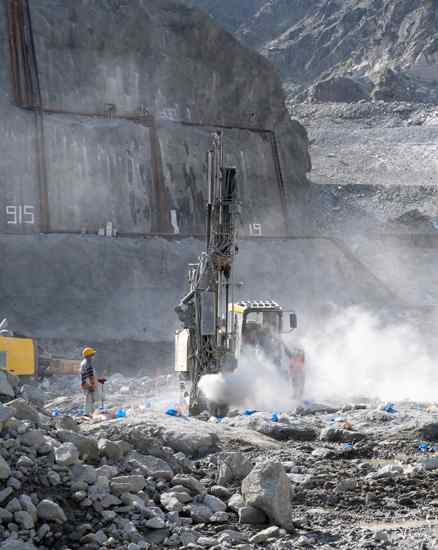

Supporting Grand Rapids’ Construction and Industrial Market
Grand Rapid’s economy blends advanced manufacturing, healthcare, and distribution tied to corridors like US‑131, I‑196, and M‑6. Facilities from the Medical Mile near Michigan Street to industrial hubs around Alpine Avenue and 44th Street drive demand for warehouse buildouts, plant upgrades, and tenant improvements across zip codes such as 49503, 49507, and 49548.
Suppliers and specialty trades here often work on brewery expansions in the West Side, logistics space near the Gerald R. Ford International Airport, and renovations in neighborhoods like Eastown and Creston. Nearby communities including Wyoming, Kentwood, Walker, and Cascade Township add projects ranging from light industrial shells to food processing retrofits.
Accounts can become complex when materials ship to a jobsite in Kent County, the purchasing office is in another state, and the decision-maker sits at a headquarters miles away. Clear documentation of purchase orders, change directives, and job-level deliveries is essential to keeping leverage on payment.
CCFG serves Michigan companies with nationwide commercial collection capabilities. Businesses from the region can discuss accounts tied to Kent, Ottawa, Allegan, Muskegon, and Ionia counties—as well as customers or projects elsewhere. Service coverage does not imply a physical CCFG office in every market.
Who We Help in Grand Rapids
CCFG is a commercial collection agency dedicated to B2B receivables, with deep experience in construction credit, supplier invoices, and trade-related accounts throughout the Grand Rapids market—from the Medical Mile to industrial corridors off 28th Street.
We regularly help businesses such as:

Building material suppliers recovering unpaid invoices for deliveries to projects near Leonard & Fuller, the West Side, and job sites across Kent County.
Heavy equipment dealers resolving past-due commercial contracts tied to fleets working along US‑131, I‑196, and the surrounding manufacturing hubs.
Rental yards pursuing qualified equipment rental receivables from contractors operating near the Gerald R. Ford Freeway and along 44th Street business parks.
Subcontractors and specialty trades seeking payment for documented labor and materials on projects in neighborhoods like Eastown, Creston, and Alger Heights.
Other commercial enterprises managing delinquent B2B accounts, including distributors and service providers serving local zip codes 49503, 49504, and 49507.
No two receivables look alike. A financed equipment deal near the Medical Mile, a rolling supply tab for a shop off 28th Street, and a subcontract tied to work around the Beltline can each involve different documents, parties, and remedies. CCFG reviews the core obligation, the paperwork that supports it, and who actually handled funds along the way rather than forcing every unpaid invoice into the same approach.


Michigan Lien Snapshot: Notices and Deadlines
Michigan’s construction lien framework sets out early notice duties, county recording timelines, service rules, and separate enforcement steps. A claimant’s role—prime contractor along Fulton Street, supplier to a Creston remodel, or lower-tier sub on a project near the West Side—will determine which rules apply.
This overview focuses on typical private projects across the state, including work around Eastown and Alger Heights. Residential builds, public improvements, bonded work, and other special situations call for a separate review based on the facts and contract terms.
Notice of Furnishing: Generally Within 20 Days
Most subs and suppliers must serve a Notice of Furnishing within 20 days after first delivering materials or starting labor.
Send the notice to the designee and the general contractor, if listed, in the recorded Notice of Commencement. If no designee is named—or the designee is deceased—service shifts to the identified owner or lessee. Personal service or certified mail is allowed; when using certified mail, service is complete upon mailing.
A contractor with a direct contract with the owner or lessee does not need a Notice of Furnishing to protect lien rights arising from that agreement. Statutory exceptions and any extensions should also be considered before drawing conclusions.
Late Notice Does Not Automatically Eliminate Every Right
Missing the initial 20-day window does not automatically wipe out all rights. Qualifying labor or materials furnished after the notice may still be covered.
Earlier work can also remain protected, subject to limitations tied to sworn statements or lien waivers and payments made in reliance on them. Always compare dates, waivers, and payment records before assuming a late notice cures—or destroys—the claim.
Claim of Lien: Record Within 90 Days
Eligible claimants must record a Claim of Lien within 90 days after last furnishing under their contract.
Record with the register of deeds for each county where the improvement sits—whether downtown near Monroe Center or out by Cascade Township. Subcontractor, supplier, and laborer claims must include proof that the required Notice of Furnishing was served.
Serve the Recorded Claim and Track Enforcement
Within 15 days after recording, the claimant must serve the recorded claim and any proof of prior notice service on the designee, or on the owner or lessee when required.
A foreclosure action typically must be filed no later than one year after recording. File a notice of lis pendens when the enforcement lawsuit begins.
Consult the Michigan Notice of Furnishing requirements, lien recording and service requirements, and enforcement provisions. This is general information only and not legal advice or a deadline calculation for any particular claim.
Commercial Collection Services for Grand Rapids Businesses
Commercial and Construction Debt Collection
CCFG’s commercial debt collection services blend professional negotiation, account-level analysis, and skip-tracing to pursue past-due receivables from companies across the region—from manufacturers near the Gerald R. Ford Airport corridor to service firms along US-131.
Our construction debt collection services evaluate contracts, sworn statements, lien waivers, and payment-chain relationships to shape a data-driven strategy for projects near Heritage Hill, the West Side, and beyond. Every account is different and outcomes cannot be guaranteed.
Lien Notices and Filings
Through lien notices and filing services, CCFG’s LienGuard helps contractors and suppliers meet time-sensitive documentation duties—preliminary notices, mechanics lien filings, and ongoing lien management—subject to eligibility and statutory deadlines in Michigan’s counties, including Kent and Ottawa.
Asset Research and Investigations
Asset investigations identify business assets, liabilities, and potential recovery sources—useful for evaluating a distributor off 44th Street or a contractor working near Leonard Street. Findings support decision-making; asset discovery alone does not ensure collectability.
Credit Department Consulting
Credit department consulting assists with credit applications, terms, security interests, and receivables procedures, complementing the work of controllers and credit managers at local manufacturers and trades.
Collection Software and Training
CCFG provides debt collection software to organize accounts and drive follow-up. Our seminar speaking services deliver training on construction credit, collections, and receivables best practices for teams throughout West Michigan.
Prepare Your Past-Due Account for Review
Organized account records make it easier to show what was delivered, who is responsible for the balance, and whether any disputes need escalation. For construction receivables tied to projects near the Medical Mile, along 28th Street, or in the Creston and Alger Heights areas, pinpointing project participants and matching payments to work performed is especially important.
Collect the following where available:
- Executed credit applications, signed contracts, and approved purchase orders.
- Open invoices, aging statements, and a chronological payment ledger.
- Delivery receipts, rental logs, equipment time sheets, and daily work reports.
- Jobsite addresses with owner, GC, and subcontractor contact details.
- Notices of Commencement, Notices of Furnishing, and recorded lien materials.
- Sworn statements, lien waivers, change orders, and payment-related emails or letters.
Note critical dates when you submit your file—especially for projects around ZIP codes 49503, 49507, and 49546. Negotiations do not substitute for Michigan’s statutory notice, recording, service, or enforcement deadlines.
Commercial Collection FAQs for the Grand Rapids Area
How long do I have to file a construction lien in Michigan?
Qualified claimants generally must record a claim of lien within 90 days after last furnishing labor or materials under their contract. Earlier preliminary steps may apply, and separate time limits govern service of the recorded claim and suit to foreclose.
Do Michigan suppliers need a Notice of Furnishing?
Typically yes. Most suppliers and lower-tier subs must serve required parties within 20 days of first furnishing, subject to statutory exceptions. Direct contractors follow different rules tied to their agreements with the owner or lessee.
Can I preserve lien rights after missing the 20-day notice period?
Sometimes. Later notice can protect subsequent qualifying deliveries or work, and earlier amounts may still be covered depending on payments made pursuant to sworn statements or lien waivers. A fact-specific analysis is needed for each project in the region.
Can CCFG help when my customer blames an upstream payment delay?
Yes. CCFG reviews the contract, billing trail, sworn statements, and the project’s payment chain. Upstream delays provide context, but available remedies depend on the agreement, documentation, and compliance with Michigan requirements.
Does CCFG handle accounts outside Kent County?
Yes. CCFG offers nationwide commercial collection services and regularly assists with Michigan claims. Companies near the Ford Airport corridor or along US-131 can discuss receivables tied to customers and jobs in other counties or states.
Move Your Grand Rapids Receivables Toward Resolution
When routine reminders stop getting traction, a targeted strategy helps. CCFG partners with commercial creditors to assess past-due accounts, uncover recovery options, and navigate construction payment issues using contract terms, sworn statements, and supporting job records from projects across the Medical Mile, Eastown, and the North Quarter.
Start a Claim or call 800-848-4176 to discuss Grand Rapids commercial receivables.